Do white flakes mean head lice?
No. Dandruff and nits are different. If you suspect head lice, read our related guide and ask a pharmacist.
First published: 6 October 2026
Copy updated:
Dandruff · Itchy scalp
Note flake appearance, oiliness and when itching occurs. These observations help you describe the problem, not diagnose it. Seek medical assessment for persistent discomfort, pain, oozing or hair loss.
Start with the essentials, then explore what they mean for your circumstances.
No. Dandruff and nits are different. If you suspect head lice, read our related guide and ask a pharmacist.
There is no guarantee. First consider whether dandruff, product irritation or another factor is involved. Persistent or significant discomfort needs its cause assessed.
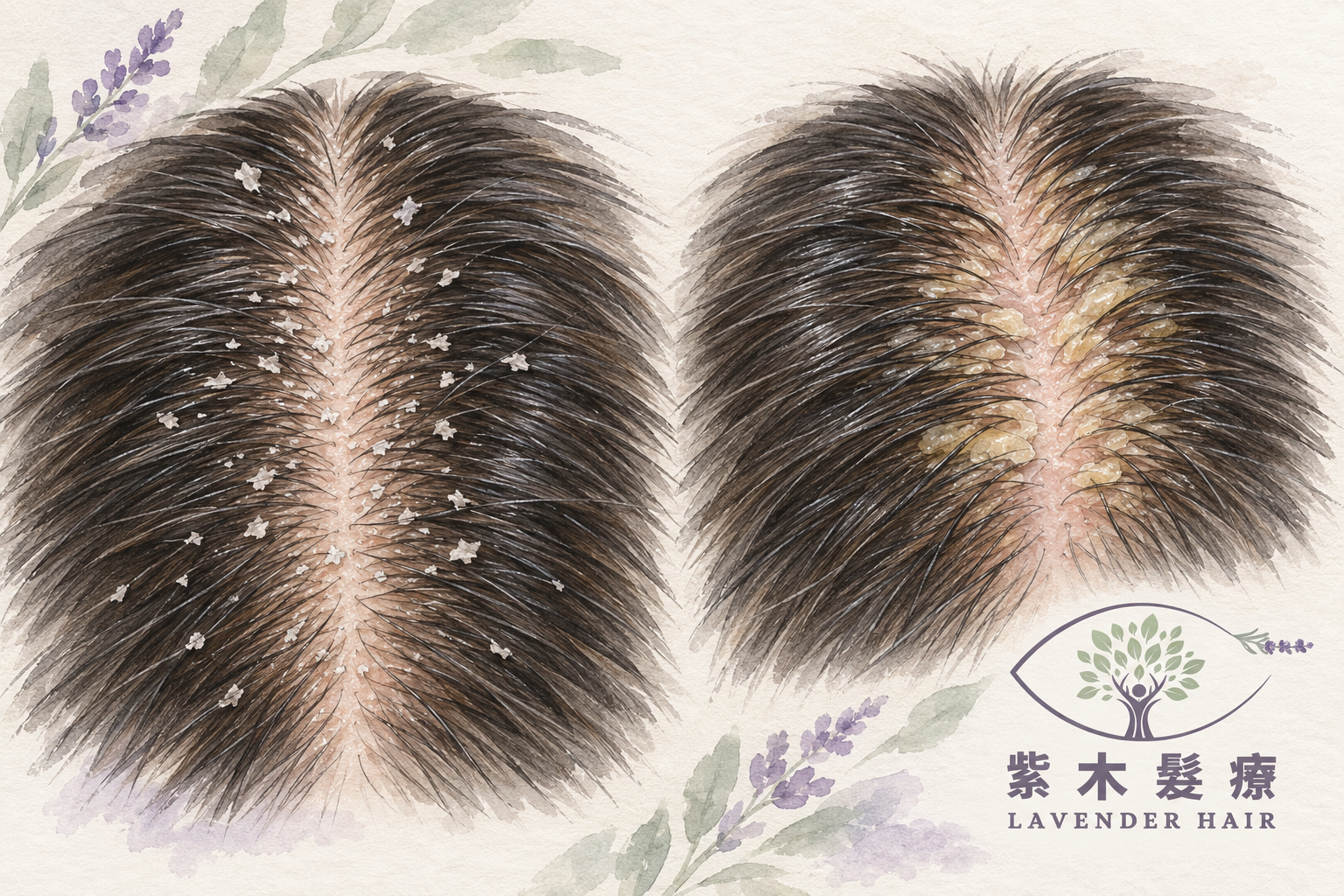
Record the appearance and location of flakes, when itching occurs, and any recent changes to hair care or styling products.
It can show flake size, oil, surface build-up and redness. Eczema, psoriasis and fungal infections need a doctor's diagnosis.
Not necessarily. Small, loose flakes may look different from larger scales that cling to the scalp or hair. Also note oiliness, tightness, itching or redness. These clues help the conversation, but flake size alone cannot diagnose dryness, seborrhoeic dermatitis or another condition.
If your scalp still itches after washing or feels increasingly tight, note the shampoo, how often you use it and when discomfort occurs. Avoid repeated scratching or stronger cleansing. Significant redness, swelling, pain, oozing or persistent thick scales call for medical assessment.
Dandruff, product reactions and other skin conditions can all cause itching. If you recently changed shampoo, hair dye or styling products, note the timing and affected areas. Avoid repeatedly scratching with your nails.
If dandruff keeps returning despite regular washing, ask a pharmacist about a suitable anti-dandruff or medicated shampoo. Follow that product's label for frequency, where to apply it and how long to leave it on, then rinse thoroughly. Instructions vary; do not increase frequency or contact time on your own. If it does not improve, or you also have significant redness, swelling, pain or hair loss, see a doctor.
Understand medicated shampoo and everyday hair care
Understand head lice, nits and dandruff
Your practitioner can explain visible oil, surface build-up and appearance to guide cleansing choices. Similar-looking conditions can have different causes. Images at 50 to 200 times magnification cannot independently diagnose eczema, fungal infection or other disease.
Prepared by Lavender Hair · Copy updated: 29 October 2026.
If you would like help reviewing your everyday routine, bring your observations and current product information to a Lavender Hair free scalp check. The check records visible surface features and cannot replace a doctor’s diagnosis. You can read about it first and decide your own next step.
Understand the scope and process of the free scalp checkCopy updated: 29 October 2026