
Your concerns deserve a clear answer.
An itchy scalp, shedding or a widening part?
Start with what matters to you and explore everyday care and your next step.
Start with a life stage or a current concern
Life stages are reading routes, not diagnostic categories. You can also start directly with scalp sensations or hair-density changes.
Read by life stage
Read by current concern
Find the question on your mind
After reading, explore suitable care options. To see your scalp for yourself, start with a free scalp check.
Oiliness, Dandruff and Itching
Look at the scalp's surface first, then explore suitable care.
Explore care options ↗Shedding, Your Part and Hairline
Make sense of changes in hair density and explore suitable care and assessment.
Explore care options ↗Fine Hair, Frizz and Breakage
Understand the different needs of your scalp and hair for better everyday manageability.
Explore care options ↗Tightness, Stress and Relaxation
Discover the comfort of Sleep & Scalp Relaxation.
Explore care options ↗The Scalp Surface
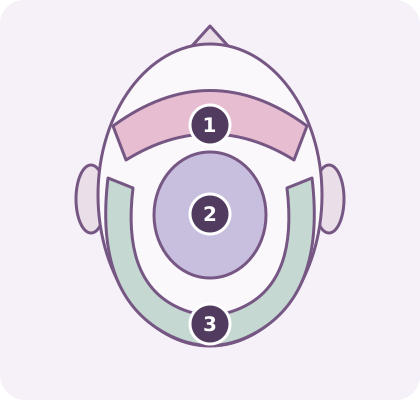 Scalp observation
Understanding scalp regions
Location is a clue, not a diagnosis. Original diagrams and region cards help you prepare a clearer record.
Explore the guide ↗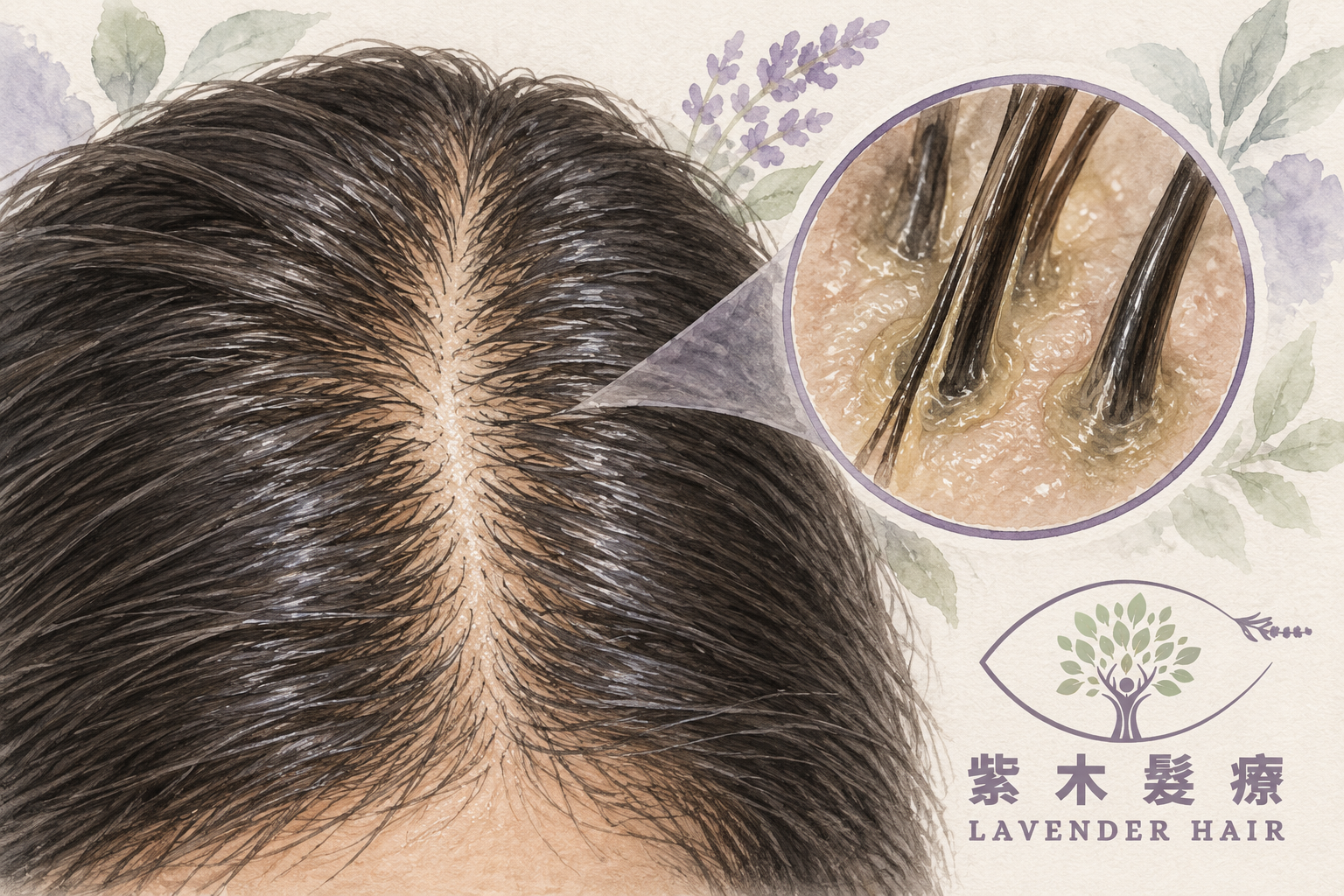 The Scalp Surface
Oiliness and Flat Roots
Consider how quickly oil builds up, how often you wash, styling-product residue, dead skin and dryness after washing. The right level of cleansing helps keep roots fresh while caring for scalp comfort.
Understand the Concern & Your Next Step ↗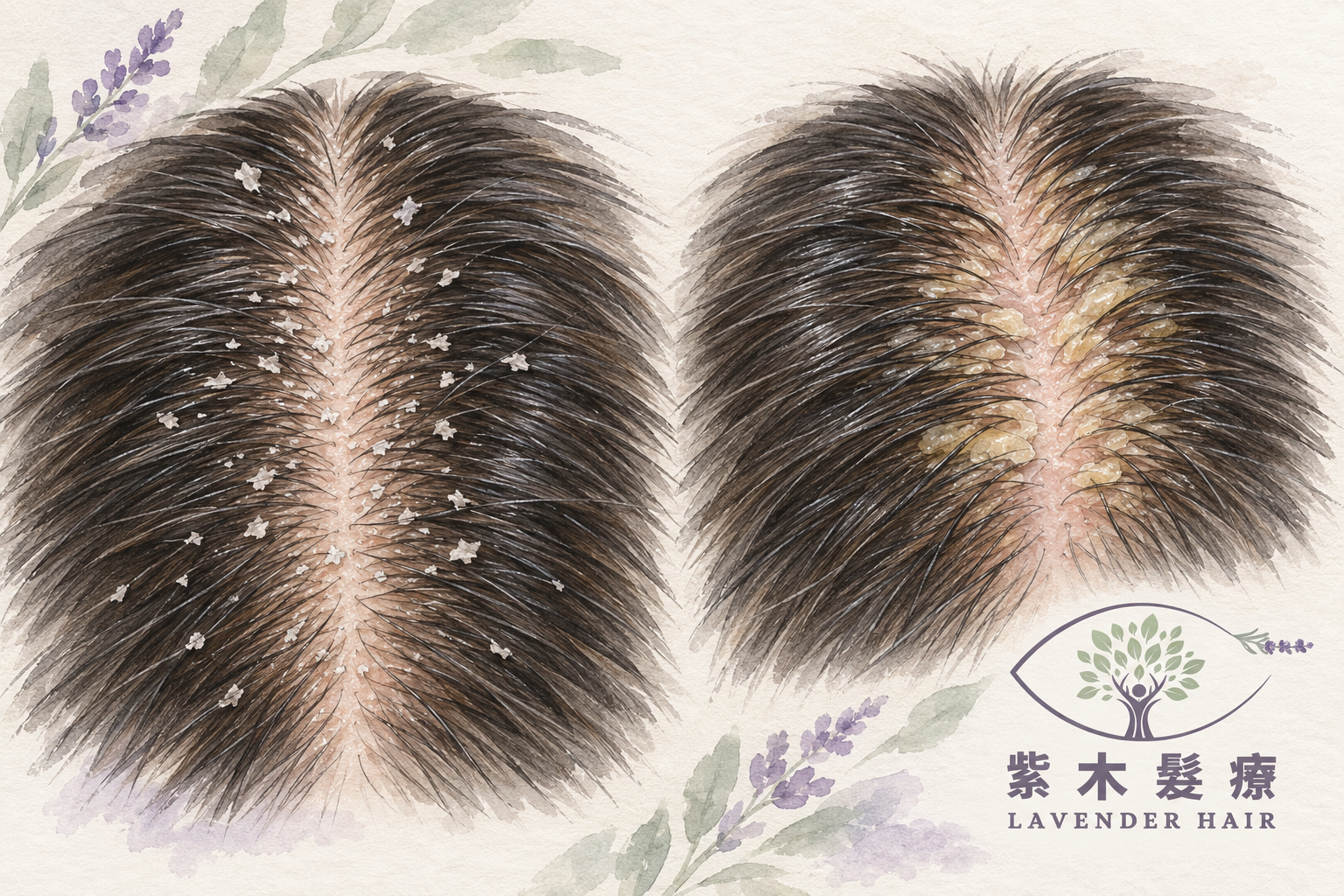 The Scalp Surface
Dandruff, Itching and Dryness
Dandruff may look fine and loose, oily or stuck to the scalp, and may come with itching. Consider its appearance, how washing feels and your current products before choosing cleansing strength. White flakes are not a reason to keep scratching and scrubbing.
Understand the Concern & Your Next Step ↗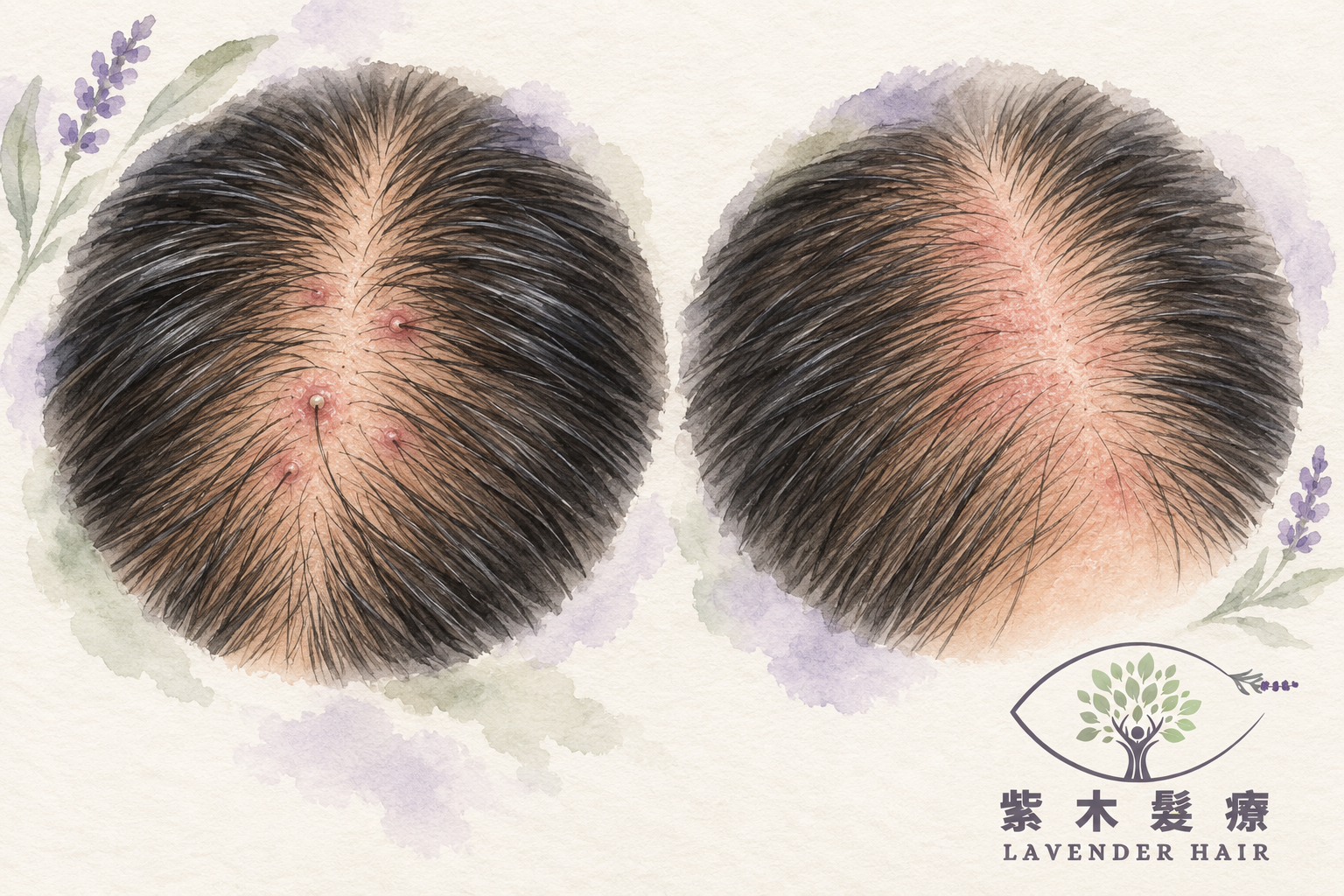 The Scalp Surface
Scalp Spots, Tender Bumps and Sensitivity
If tender scalp bumps come with persistent pain, marked redness or swelling, pus or oozing, see a doctor first rather than waiting for a salon visit. Do not squeeze or rub the area, or replace medical care with deep cleansing, massage or a change of product. Arrange gentle daily care according to your scalp's condition and medical advice.
Understand the Concern & Your Next Step ↗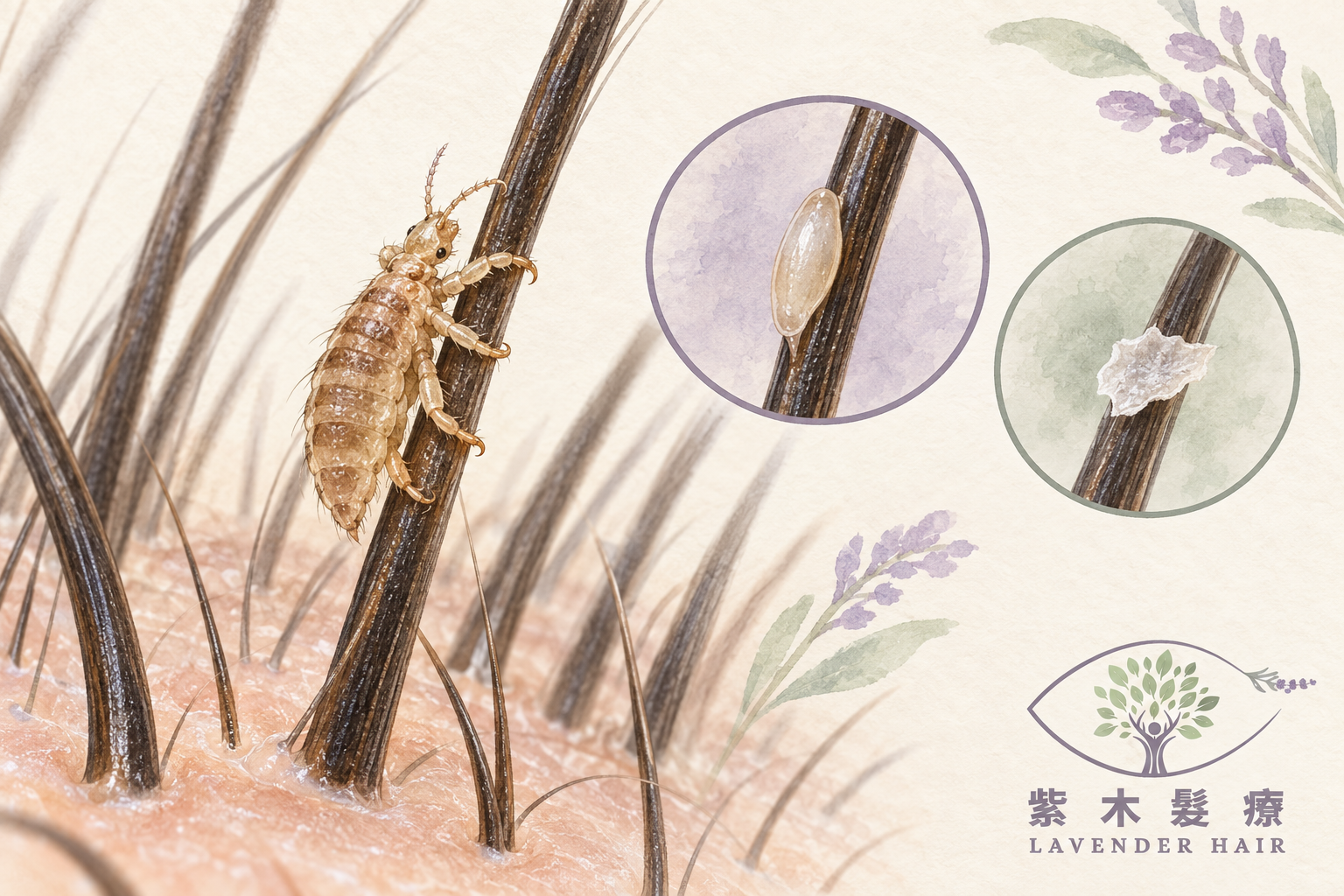 The Scalp Surface
Head Lice, Itching and Nits
Itching and white specks alone do not confirm head lice. The NHS notes that finding live lice is needed for confirmation. Nits can stick to hair, while dandruff is a separate issue. If you suspect lice, ask a pharmacist about a detection comb and suitable treatment.
Understand the Concern & Your Next Step ↗Hair Density & Shedding
 Hair Density & Shedding
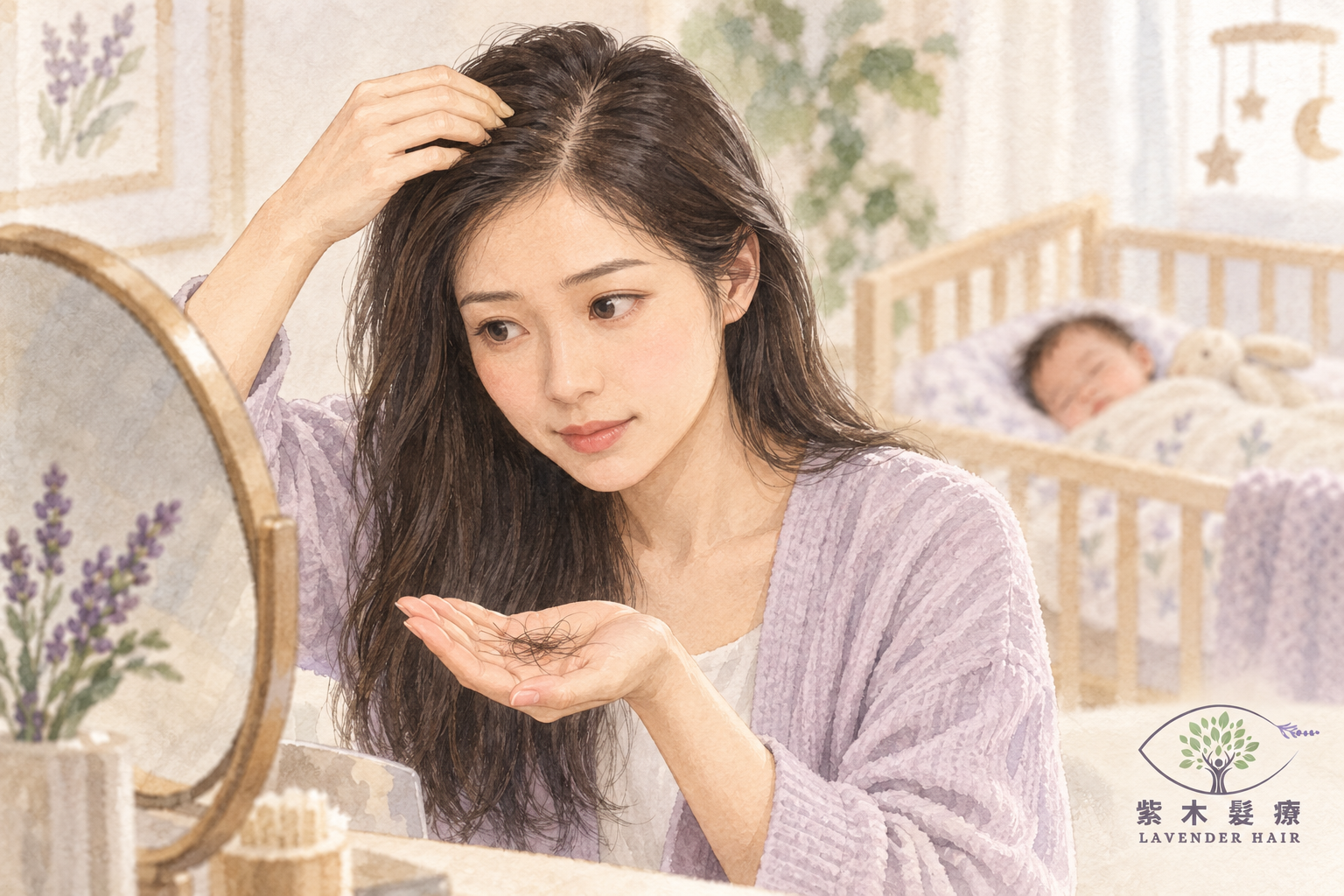
Shedding After Having a Baby · Postpartum
Increased shedding a few months after childbirth is common, though timing and severity vary. Start with gentle cleansing, less pulling and a record of changes. Care for your scalp and leave a little room for your own rest too.
Understand the Concern & Your Next Step ↗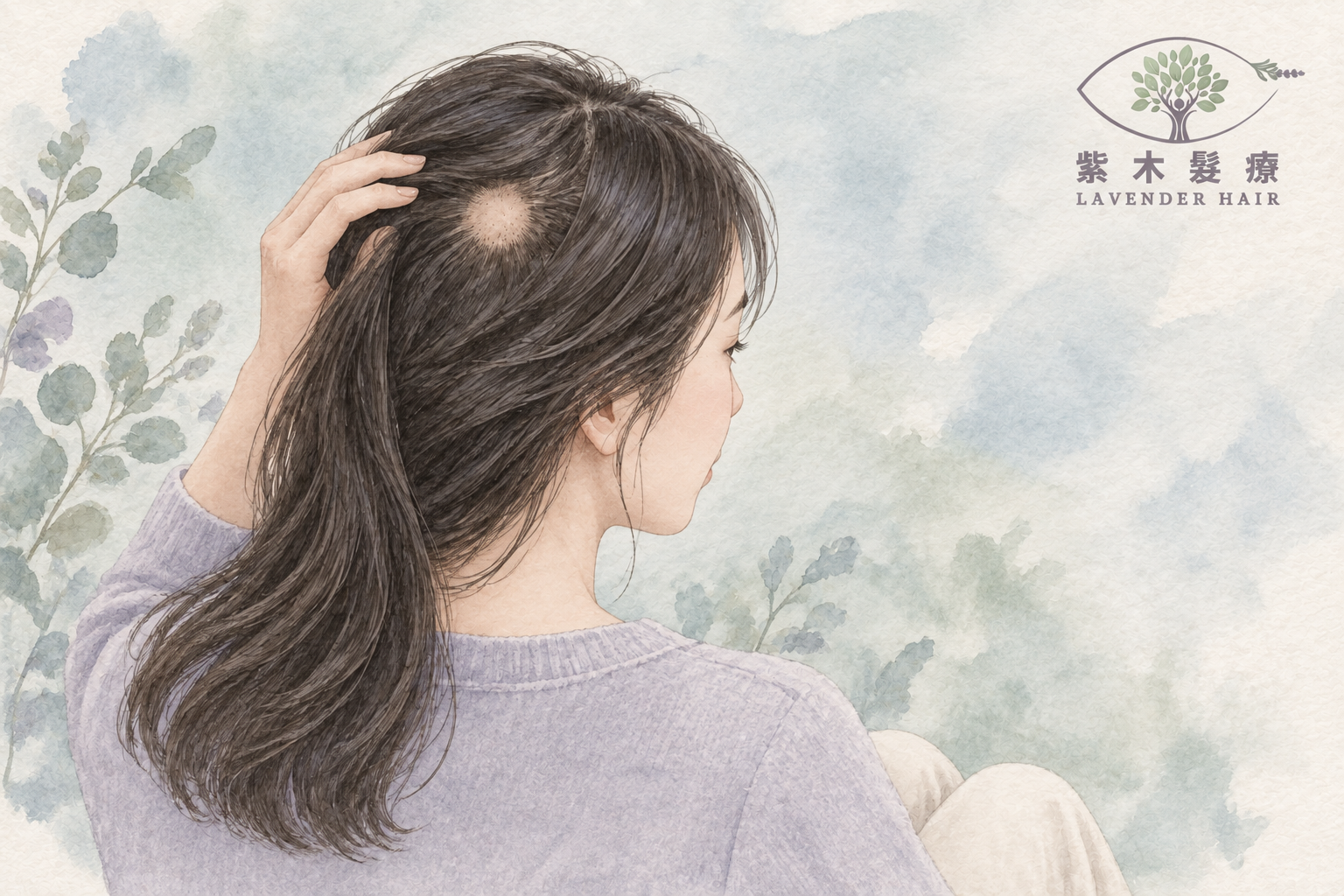 Hair Density & Shedding
Alopecia Areata · Patchy Hair Loss
One or more sudden bald patches should be assessed by a registered doctor or dermatologist first, without waiting for a salon visit. The colloquial name for patchy loss does not establish its cause: alopecia areata, infection and other conditions need to be distinguished. Our free scalp check only helps identify visible surface conditions and everyday care needs; it cannot diagnose alopecia areata.
Understand the Concern & Your Next Step ↗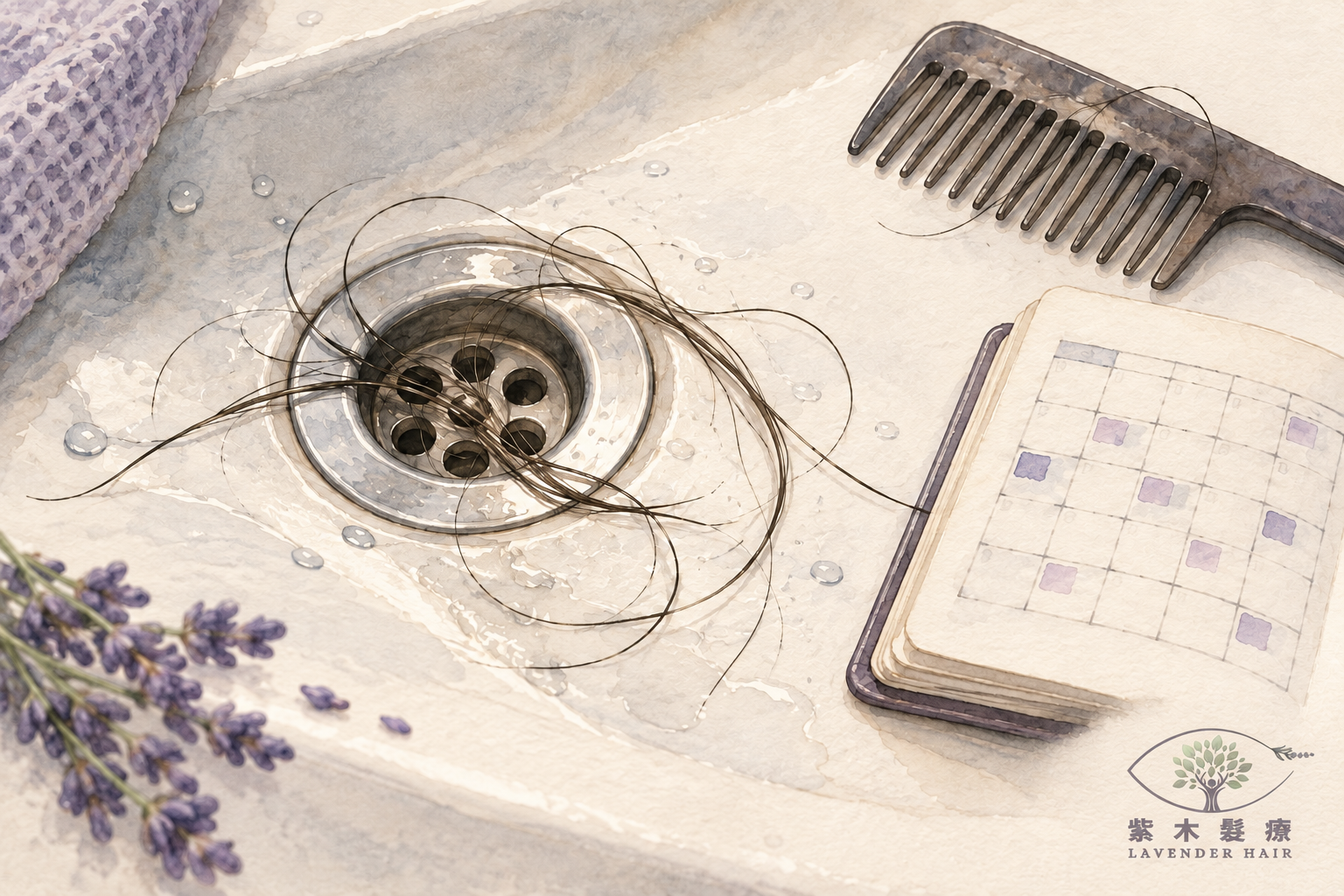 Hair Density & Shedding
Much More Hair Lately · In the Shower Drain
A sudden marked increase in shedding should be considered alongside when it started, whether it is diffuse or patchy, and recent health or medication changes. Persistent heavy shedding, bald patches, pain, redness, swelling or weeping need medical assessment first. A free scalp-surface check cannot determine the cause of hair loss and should not delay medical care.
Understand the Concern & Your Next Step ↗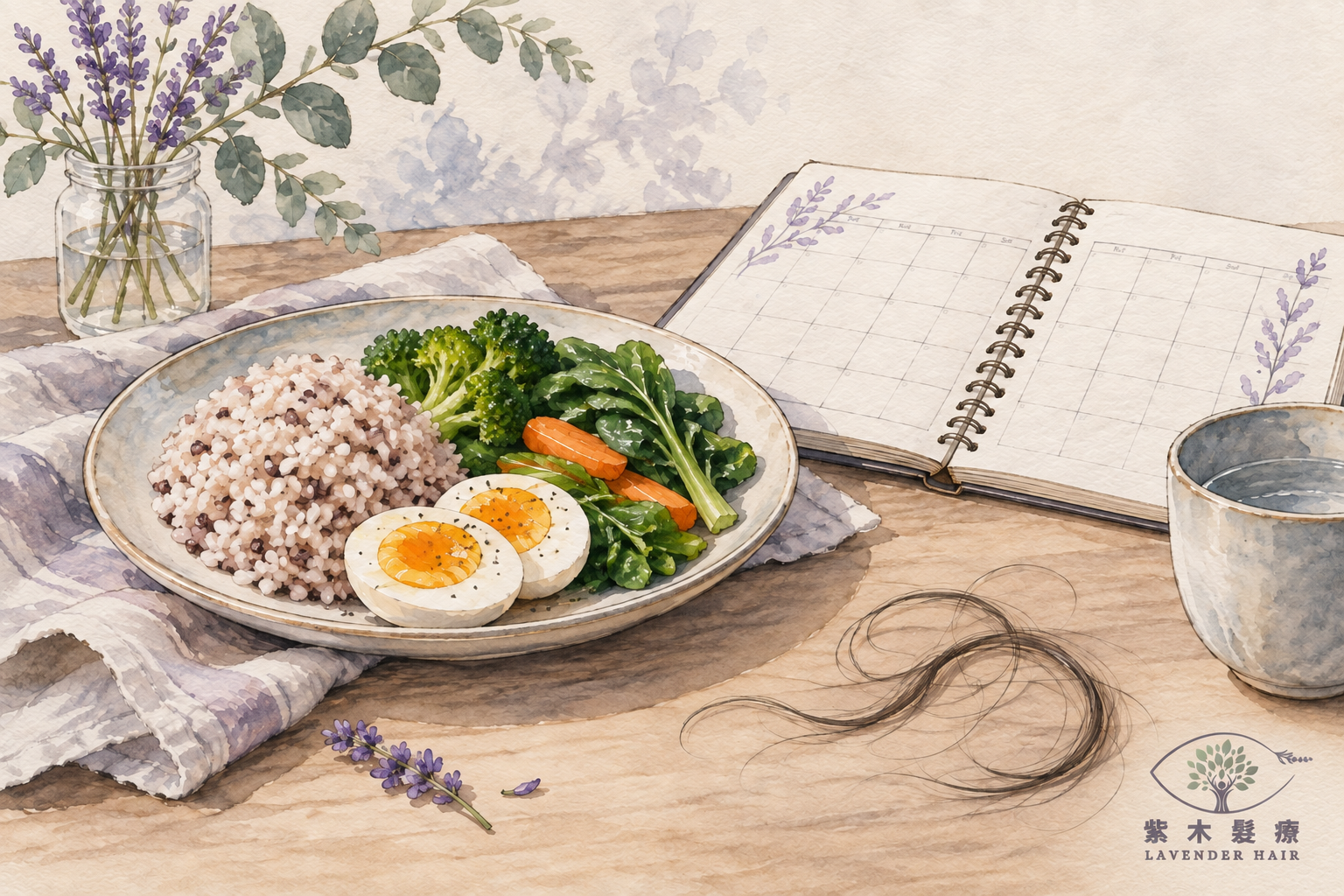 Hair Density & Shedding
Shedding After Weight Loss and Telogen Effluvium
Significant weight loss is one physical stressor that may be associated with telogen effluvium, and shedding may start later. Timing alone cannot establish the cause: diet, medicines, health and the pattern of thinning also matter.
Understand the Concern & Your Next Step ↗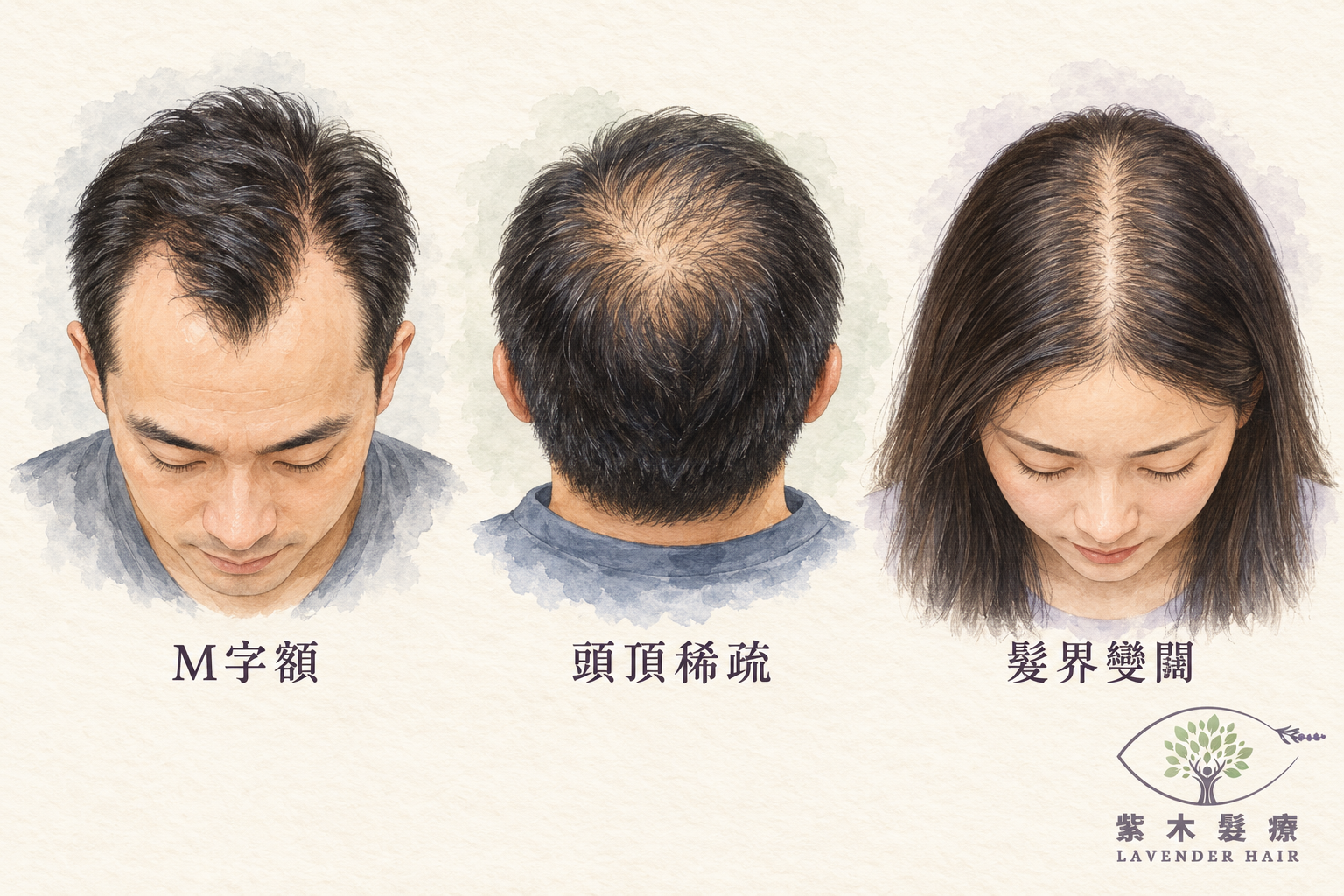 Hair Density & Shedding
Hereditary Hair Loss: Causes and Assessment
A receding hairline, thinning crown and widening part are different visible patterns. Record changes with similar lighting and angles, then explore possible causes, everyday care and available options.
Understand the Concern & Your Next Step ↗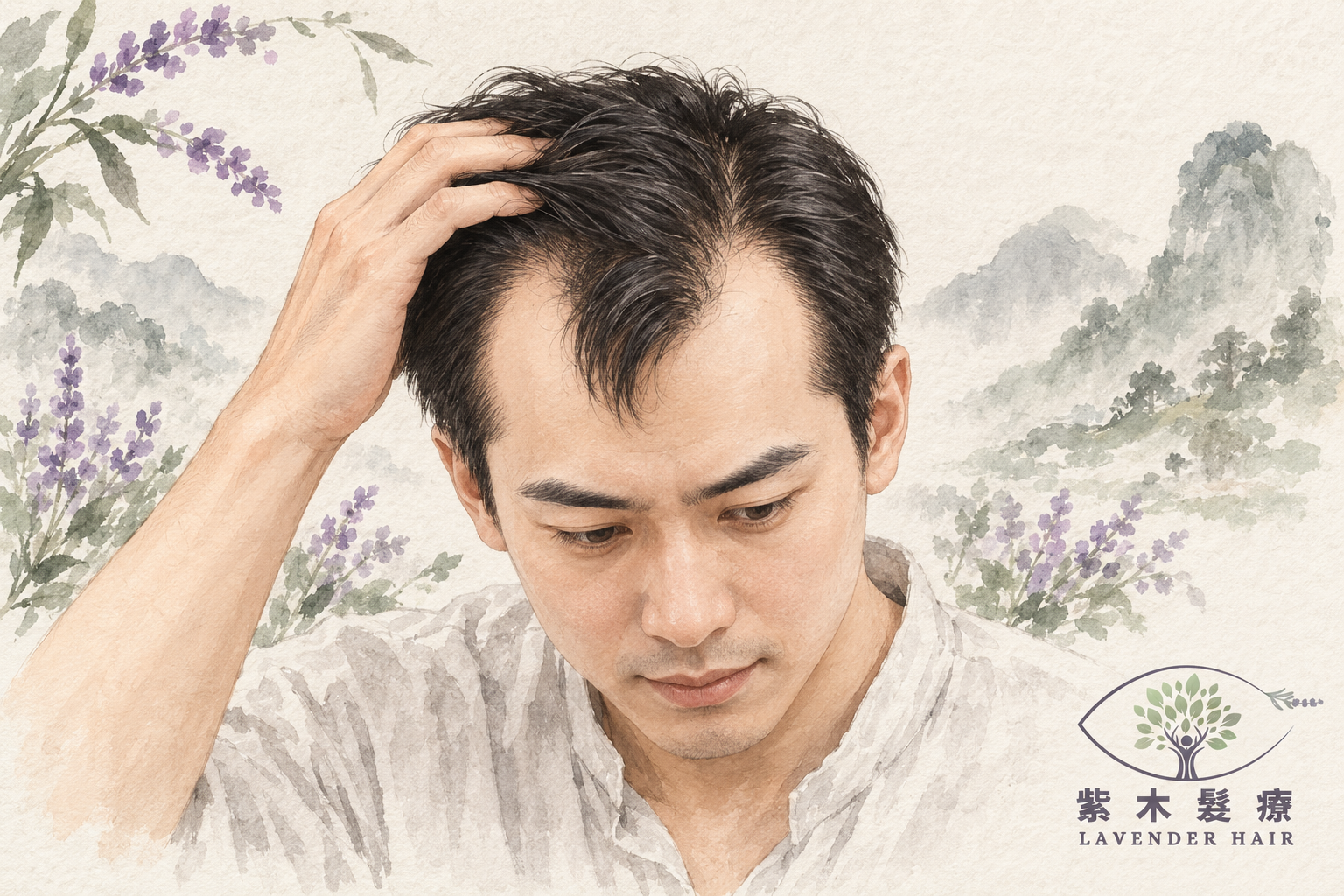 Hair Density & Shedding
Men's Receding Hairline
Watch for changes at the temples and front hairline, comparing photos taken with similar lighting and angles. Hairline shape alone cannot establish the cause. Start by noting when changes began and your care habits.
Understand the Concern & Your Next Step ↗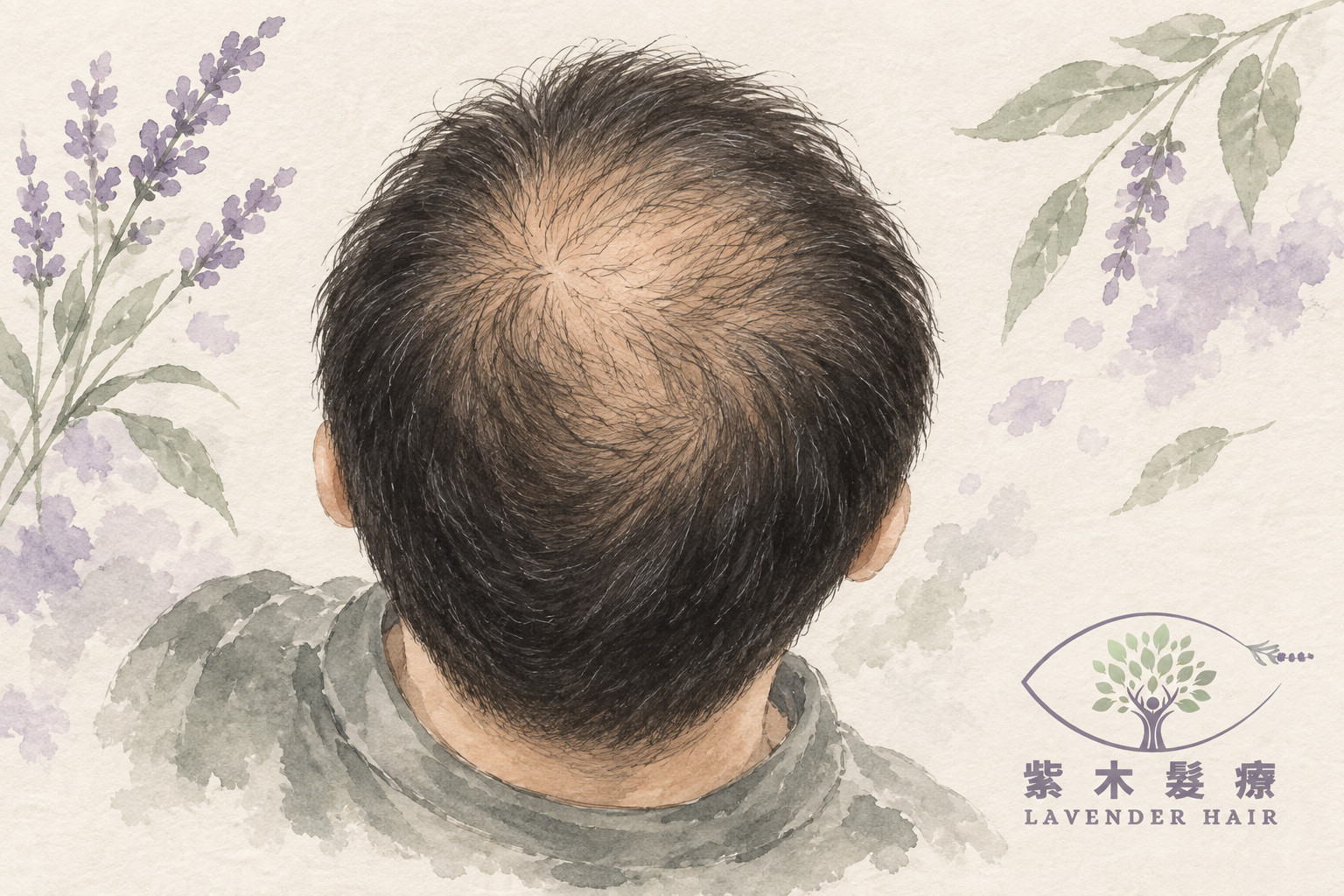 Hair Density & Shedding
Men's Crown Thinning
Compare crown photos with similar lighting, styling and wet or dry hair, watching density around the whorl. A single photo showing scalp cannot establish the cause; a record over time is more useful.
Understand the Concern & Your Next Step ↗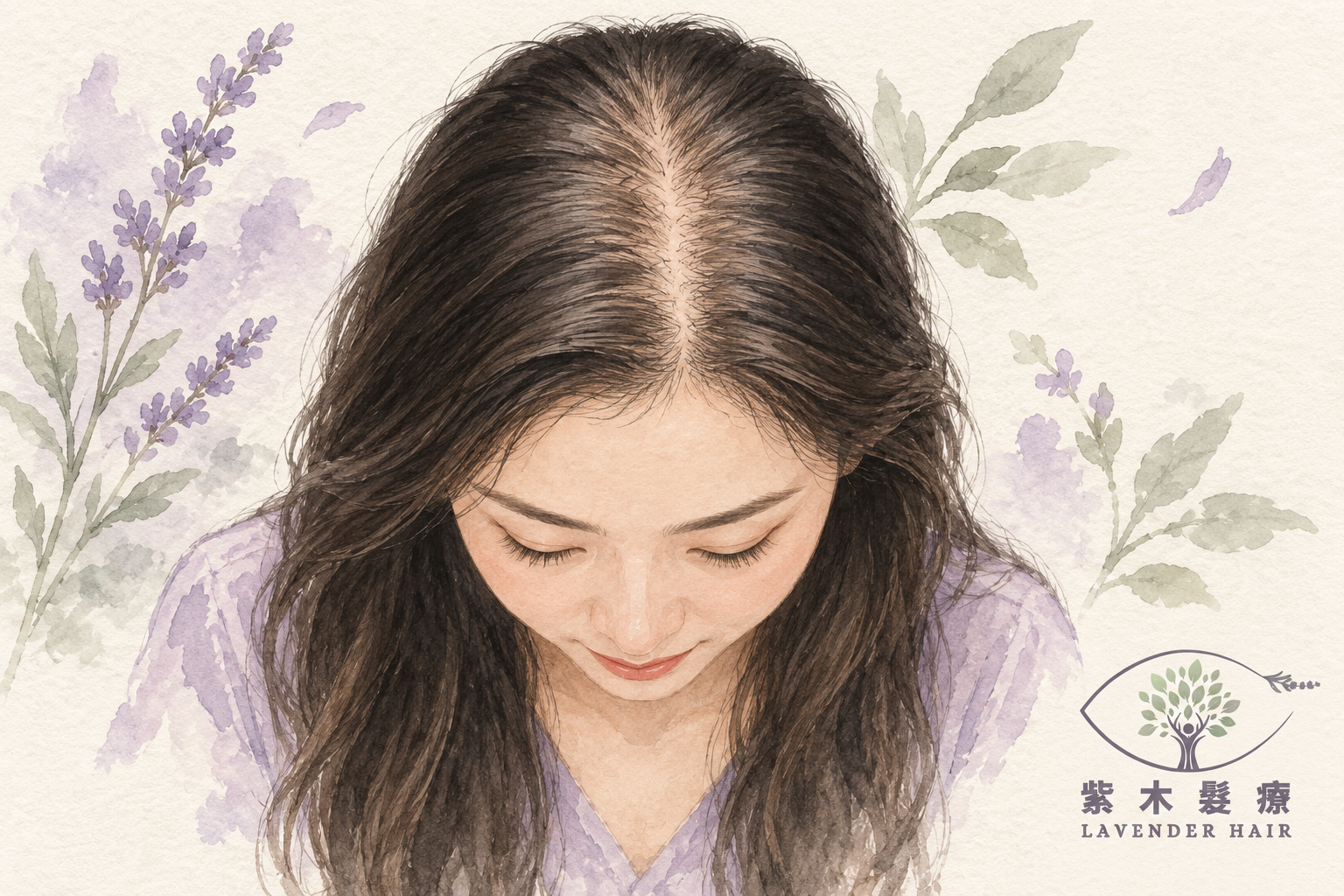 Hair Density & Shedding
Women's Widening Part
Compare photos with a similar part, lighting and wet or dry hair. Note whether the part keeps widening and whether shedding affects the whole scalp. Several factors can contribute; appearance alone cannot establish hereditary or postpartum hair loss.
Understand the Concern & Your Next Step ↗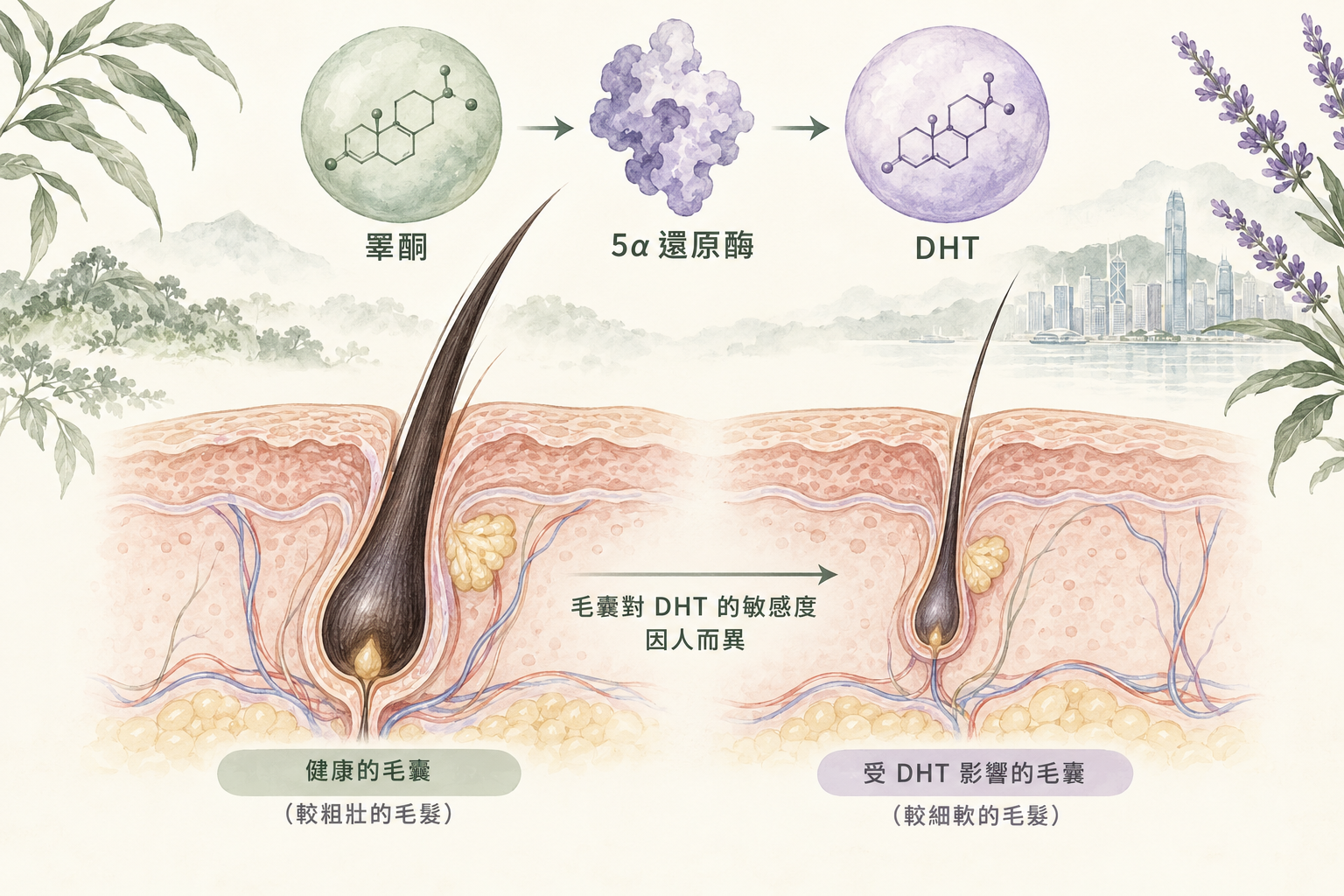 Hair Density & Shedding
DHT and Hair Loss
DHT, or dihydrotestosterone, is an androgen. Follicles that are more sensitive to DHT may gradually produce finer hairs, a process associated with hereditary hair loss. Shedding does not necessarily mean DHT is responsible. Understanding the pattern is more useful than rushing to buy products.
Understand the Concern & Your Next Step ↗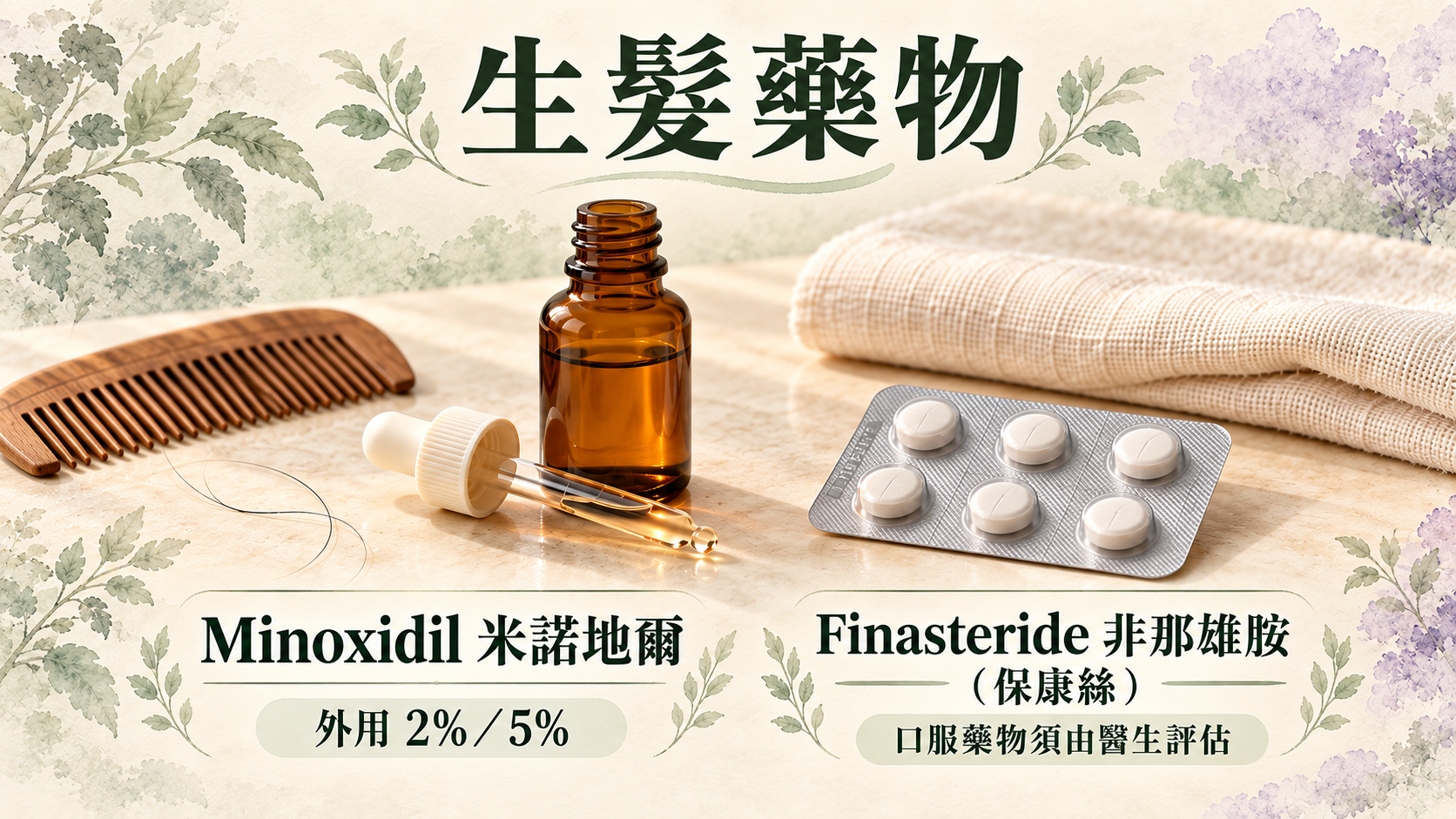 Medication and Informed Choices
Topical treatments, oral medicines and medicated shampoos: what's the difference?
Understand common medicines, their risks and what to ask a healthcare professional.
Read the medication guide → Traditional Chinese Medicine and Everyday Care
Traditional Chinese medicine, plum-blossom needling and hair loss: how should we understand them?
Explore traditional theories, research and safety, and the different roles of clinical treatment and everyday hair care.
Read the TCM perspective →Hair and Everyday Care
 Ingredient literacy
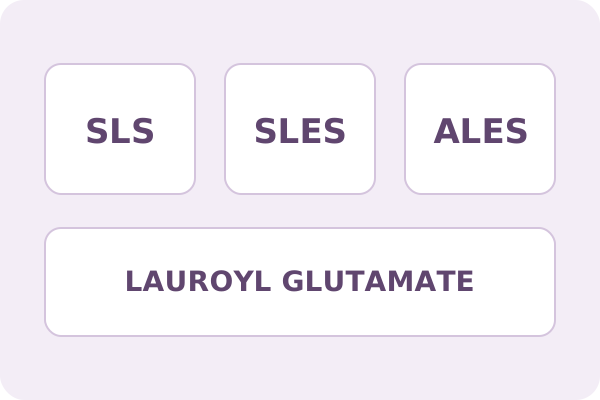
Reading shampoo ingredients
Understand SLS, SLES, ALES, amino-acid-derived surfactants and blends before choosing.
Read the guide ↗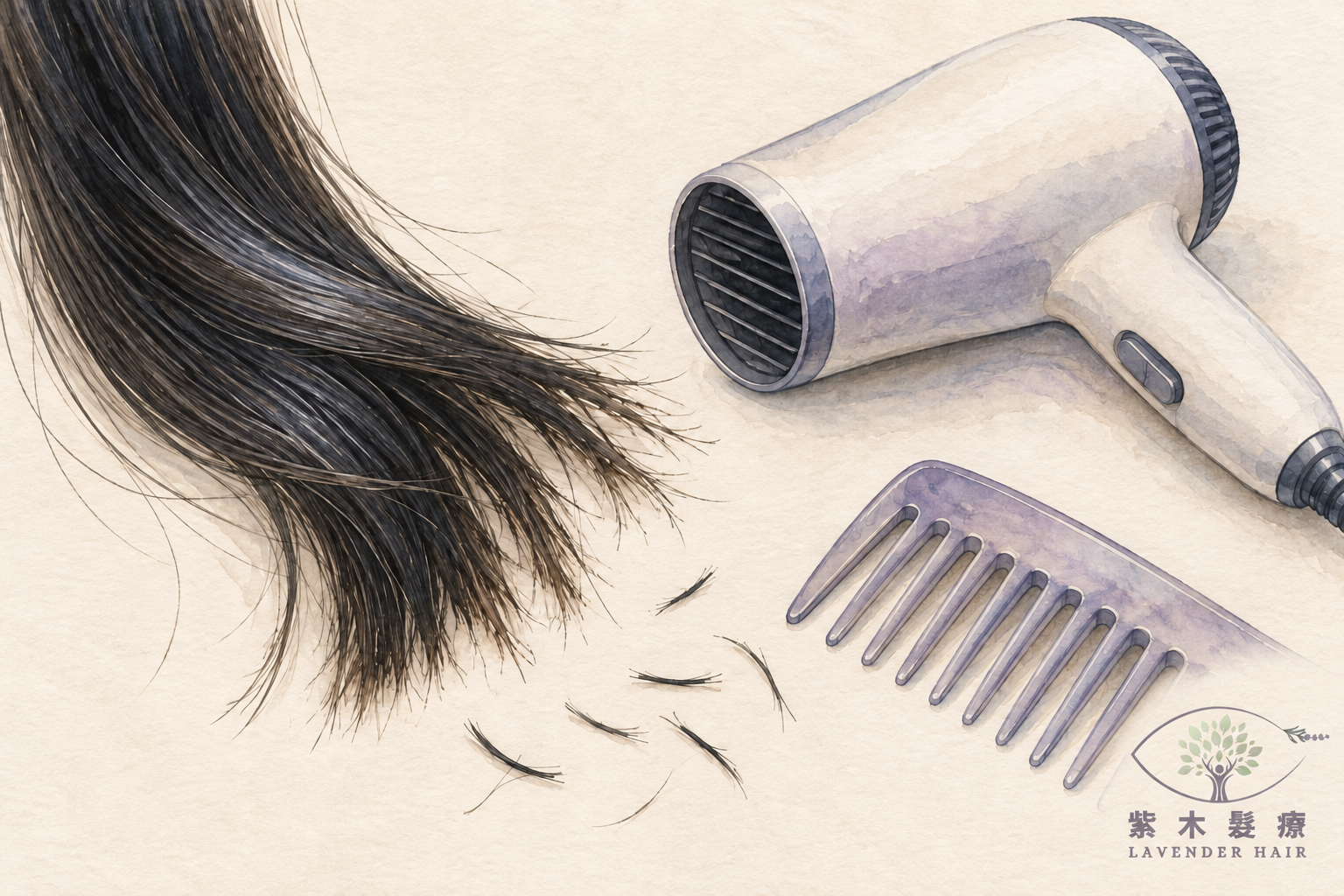 Hair and Everyday Care
Breakage While Drying · Fine or Fragile Hair
Short strands of different lengths may be due to breakage, but a quick glance cannot establish this. Record colouring, perming, heat, brushing and tension habits, and also notice whether the part or hairline looks thinner.
Understand the Concern & Your Next Step ↗ Hair-Care Choices · Natural and Suitable
Is natural shampoo always better? Start with what suits your scalp
A preference for natural ingredients can be a starting point. Understanding the formula, your actual needs and your response gives you a sounder basis for choosing.
Read our hair-care guide → Understanding Ingredients · Preservation and Storage
Is preservative-free shampoo always safer? Understanding a formula's protection system
What a product leaves out is only part of the story. How it prevents contamination, and how it should be stored and used, also matter.
Read our hair-care guide →Lifestyle and Relaxation
 Lifestyle and Relaxation
Shedding After the Gym: Exercise and Hair Care
Noticing shedding after exercise gives a timing clue, but does not prove the gym caused it. Consider the pace of weight loss, diet, supplements or medicines, tension from tied hair, and whether shedding is widespread or localised.
Understand the Concern & Your Next Step ↗ Lifestyle and Relaxation
Telogen Effluvium and Stress-Related Shedding
Telogen effluvium usually causes increased shedding across the scalp and can appear some time after physical or emotional stress. Recording the timeline and changes helps guide the next step. Being busy recently is not enough to establish the cause.
Understand the Concern & Your Next Step ↗ Lifestyle and Relaxation
Poor Sleep, Insomnia and Sleeping Tablets
Sleep & Scalp Relaxation offers cleansing, comfortable touch and relaxation. It cannot diagnose or treat insomnia, or replace sleeping tablets. If sleep difficulties persist, do not improve with routine changes, or affect daytime life, consult a doctor.
Understand the Concern & Your Next Step ↗How do I choose the right shampoo?
Oiliness, dryness or flat roots in the morning? Understand your needs, then choose a product with the right focus.
Explore shampoo choices and flat roots →Want to know why each care step matters?
See how we assess oil, flakes, redness and hair density, and how that informs product choices and everyday care.
Explore Lavender Hair's assessment and care-planning approach →You do not have to guess. We help you see clearly.
Using advanced equipment at 50 to 200 times magnification, we examine the visible condition of your hair, scalp surface and follicular openings, then discuss suitable products or treatments with you.If your needs fall outside our care, we will explain honestly rather than recommend an unsuitable treatment.
Sleep, Midlife and Family Hair Care
From how rested you feel to your family's washing habits, find answers for where you are now.
Sleep & Dreams
Explore sleep science, everyday relaxation and professional support, from trouble falling asleep and bedtime thoughts to how dreams feel.
Read More 02Midlife and Menopause Hair Care
Understand menopause, midlife in men and changes in hair. Find your next step, from gentle daily care to knowing when to see a doctor.
Read More 03Parents, Children & Hair Care
Help children develop gentle washing habits, understand itching and sensitivity, and check product age labels so parents can ask more informed care questions.
Read MoreSCALP · BODY · MIND
Understand your scalp. Make room for your life.
Explore seven scalp areas, reflect on care and everyday routines, then talk through your needs with a therapist.