
Can restful scalp care replace sleeping medication?
No. Discuss medication with your doctor. Scalp care is an everyday relaxation experience.
Updated: 2026-10-06
Sleep and scalp care
Restful scalp care starts with gentle cleansing, comfortable pressure and an unhurried pace, giving you some time for yourself.

Wanting a break from a busy day is different from long-term trouble falling asleep, repeated waking or poor daytime concentration. A salon treatment should not delay professional help.
Follow your existing medical instructions. Do not stop, reduce or change medication because you have had a care session. Mention tiredness or discomfort when booking so we can allow rest and discuss suitable pressure.
Note when you fall asleep and wake, how you feel during the day and any recent life changes. Notice when you feel tense and which rest arrangements feel comfortable. You may choose to share this during your visit to help us adjust the pressure and pace.
We start with your scalp condition and how you feel, choosing gentle cleansing and comfortable pressure. You can ask us to change the pressure or stop at any time. We do not promise sleep or a replacement for medication.
Prepared by Lavender Hair · Updated: 6 October 2026.
If you would like some comfortable scalp cleansing and relaxation time, explore Lavender Hair's care steps, scents and techniques first.
 Lifestyle and Relaxation
Telogen effluvium usually causes increased shedding across the scalp and can appear some time after physical or emotional stress. Recording the timeline and changes helps guide the next step. Being busy recently is not enough to establish the cause.
Understand the Concern & Your Next Step ↗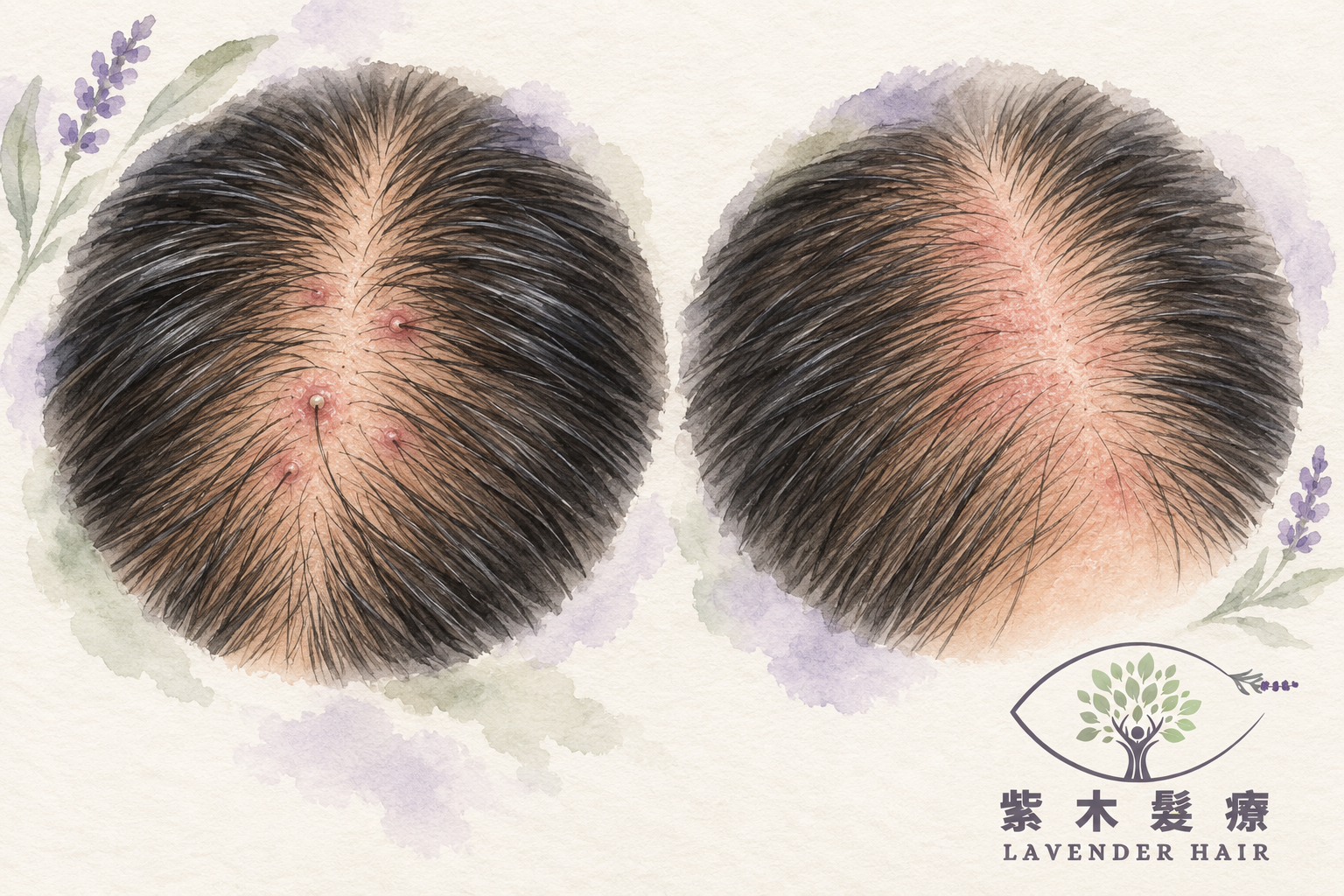 The Scalp Surface
Avoid squeezing or rubbing scalp spots and tender bumps. If there is persistent pain, marked redness or swelling, pus or oozing, seek a doctor's assessment first. Explore gentle cleansing and daily care once your scalp is ready.
Understand the Concern & Your Next Step ↗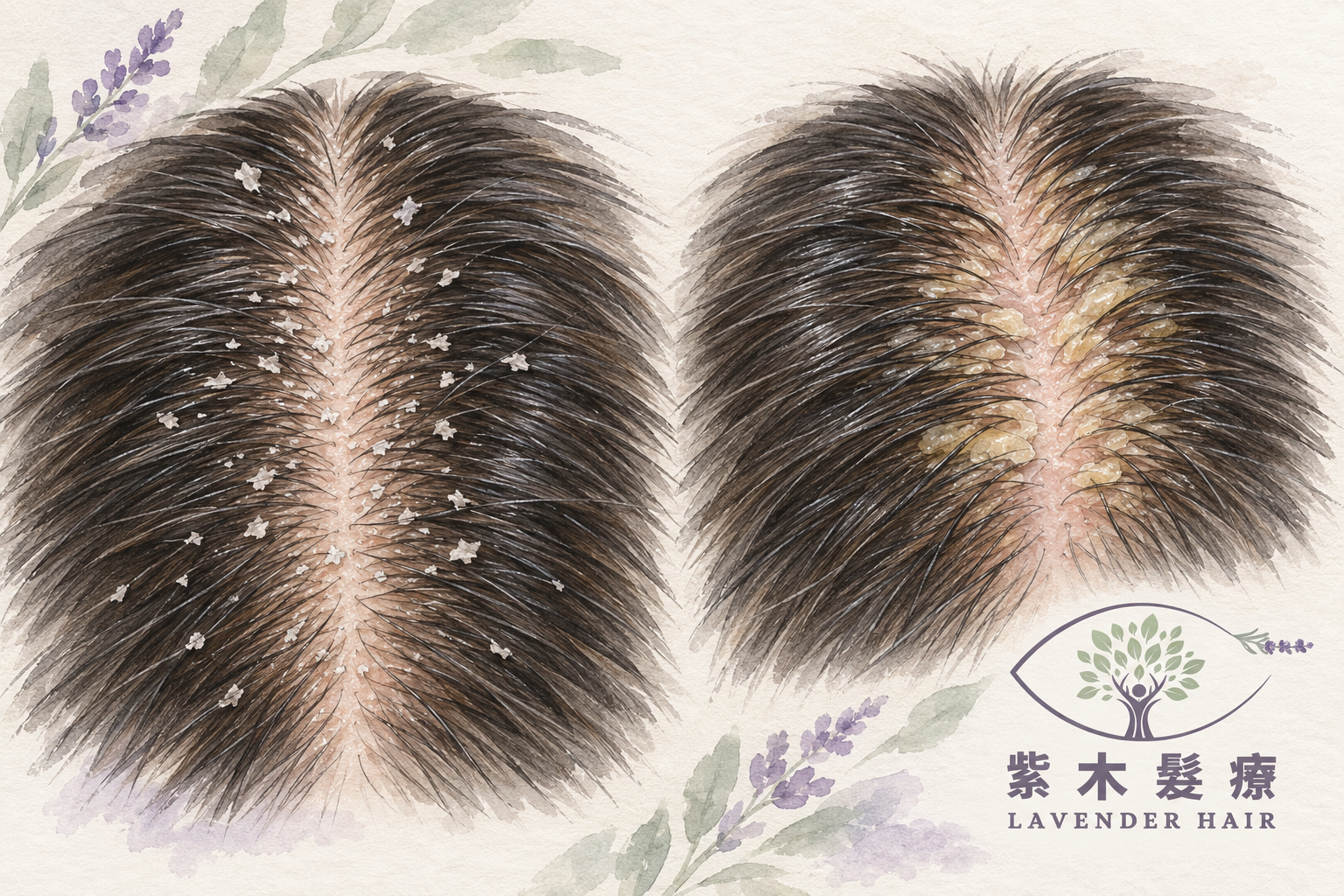 The Scalp Surface
Dandruff may look fine and loose, oily or stuck to the scalp, and may come with itching. Consider its appearance, how washing feels and your current products before choosing cleansing strength. White flakes are not a reason to keep scratching and scrubbing.
Understand the Concern & Your Next Step ↗Using advanced equipment at 50 to 200 times magnification, we examine the visible condition of your hair, scalp surface and follicular openings, then discuss suitable products or treatments with you.If your needs fall outside our care, we will explain honestly rather than recommend an unsuitable treatment.
Start with the essentials, then explore what they mean for your circumstances.
No. Discuss medication with your doctor. Scalp care is an everyday relaxation experience.
Everyone's experience differs. Sleep benefits cannot be guaranteed, and one session cannot establish the cause of insomnia.
A doctor can assess possible causes and discuss suitable treatment. Cognitive behavioural therapy for insomnia (CBT-I) is commonly a first-line treatment for chronic insomnia and is different from ordinary massage or a bedtime routine. If you take medication, follow your existing medical instructions. Do not stop or reduce it because of a care session.