
If hair looks fuller after conditioning, does that mean new hair has grown?
Smoother, bouncier or better-looking hair is different from new hair growth.
Updated: 2026-10-06
Hair breakage
Short strands of different lengths may be due to breakage, but a quick glance cannot establish this. Record colouring, perming, heat, brushing and tension habits, and also notice whether the part or hairline looks thinner.
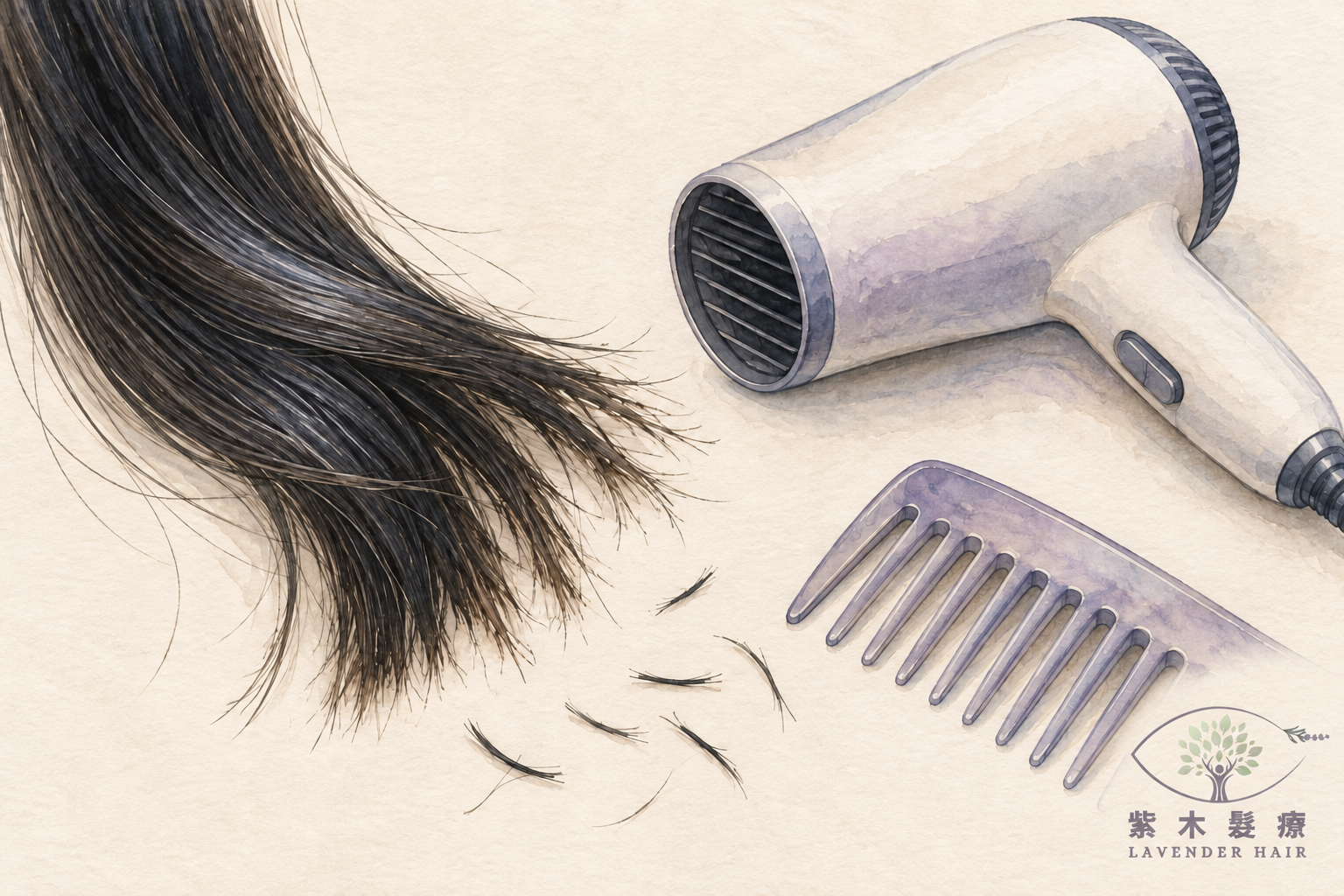
Breakage happens when a hair shaft snaps. Shedding relates to the hair growth cycle or other causes. Both can occur together, and short hairs are not always new growth.
Gently blot excess water with a towel rather than rubbing roughly. Use lower heat when drying and avoid heating one spot continuously. Work through tangles gently rather than forcing a brush through them.
Lavender Hair's hair reconstruction treatment focuses on protein and moisture care for the hair shaft, and managing dry, frizzy or colour-treated hair. Hair-shaft care does not increase follicle numbers and cannot promise permanent repair of all damage.
If you also have a persistently widening part, bald patches or sudden heavy shedding, seek a doctor's assessment first rather than only arranging hair-shaft repair.
Prepared by Lavender Hair · Updated: 6 October 2026.
Bring recent photographs of your hair, your current care products and the questions that matter most to you. Your practitioner will explain visible surface features, then discuss everyday care and next steps.
 Hair Density & Shedding
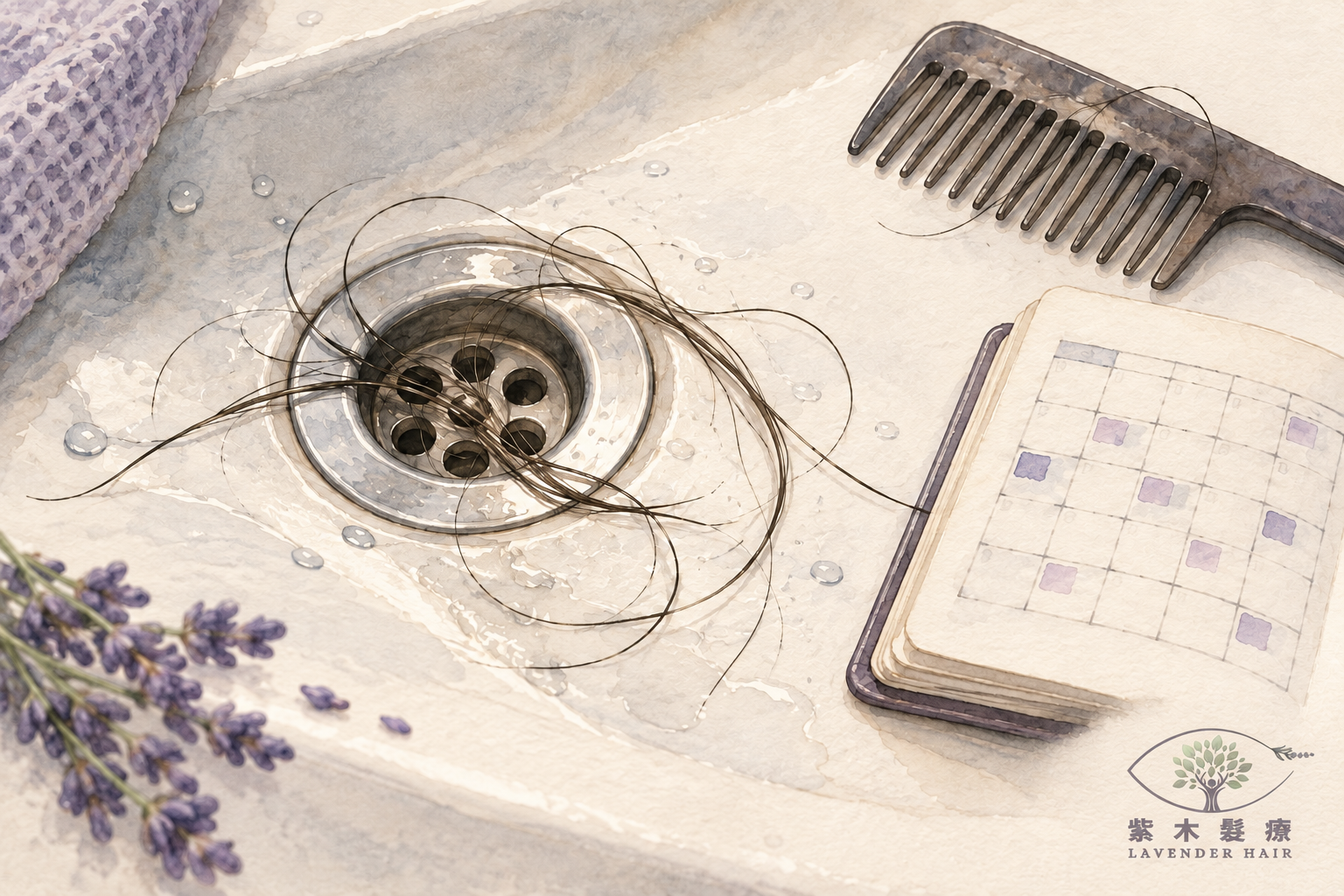
Record when it began, whether shedding is widespread, and any changes to your part or hairline. Time between washes, hair length and breakage all affect how hair in the drain looks. One wash is no reason to blame yourself.
Understand the Concern & Your Next Step ↗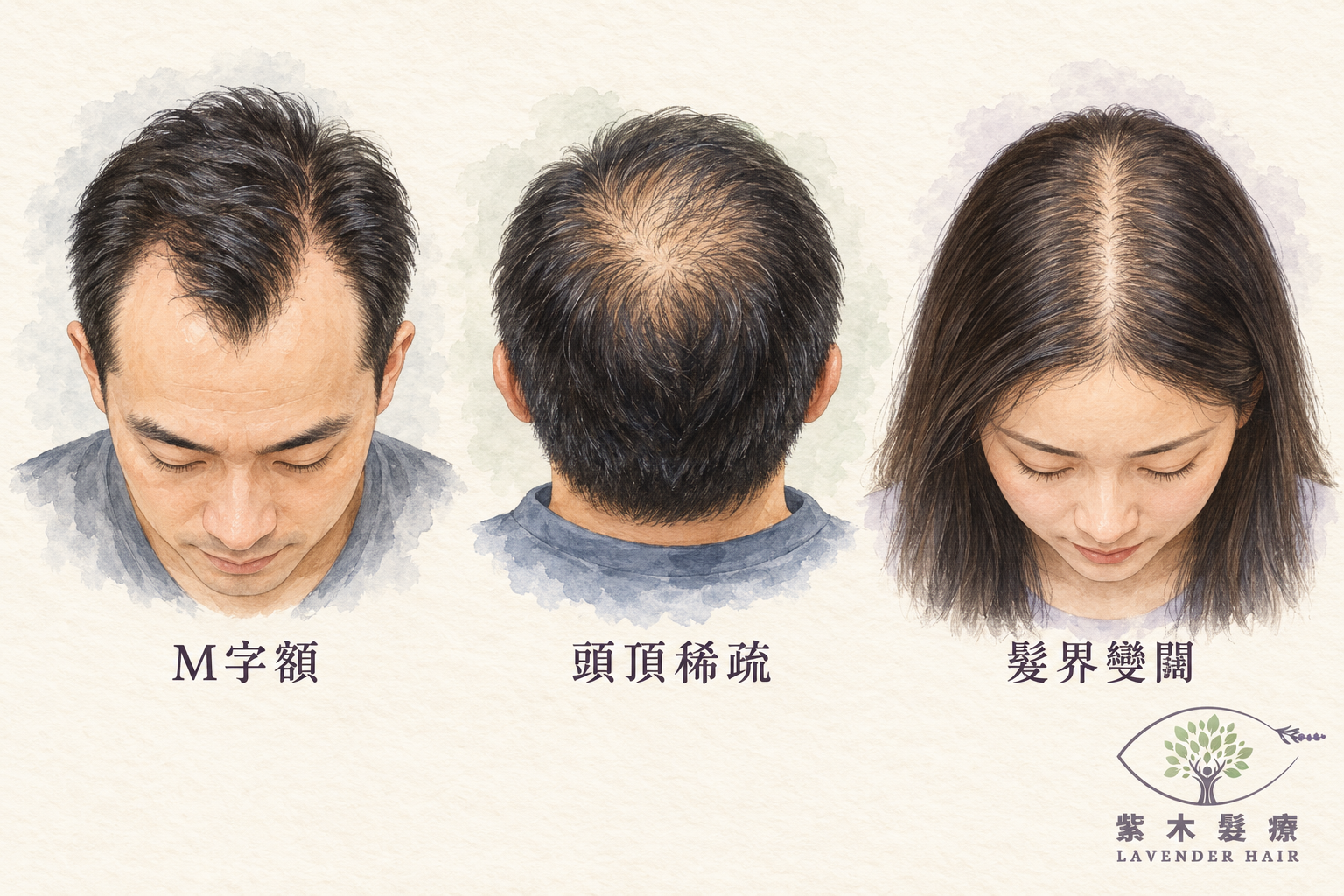 Hair Density & Shedding
A receding hairline, thinning crown and widening part are different visible patterns. Record changes with similar lighting and angles, then explore possible causes, everyday care and available options.
Understand the Concern & Your Next Step ↗ Hair Density & Shedding
Significant weight loss is one physical stressor that may be associated with telogen effluvium, and shedding may start later. Timing alone cannot establish the cause: diet, medicines, health and the pattern of thinning also matter.
Understand the Concern & Your Next Step ↗Using advanced equipment at 50 to 200 times magnification, we examine the visible condition of your hair, scalp surface and follicular openings, then discuss suitable products or treatments with you.If your needs fall outside our care, we will explain honestly rather than recommend an unsuitable treatment.
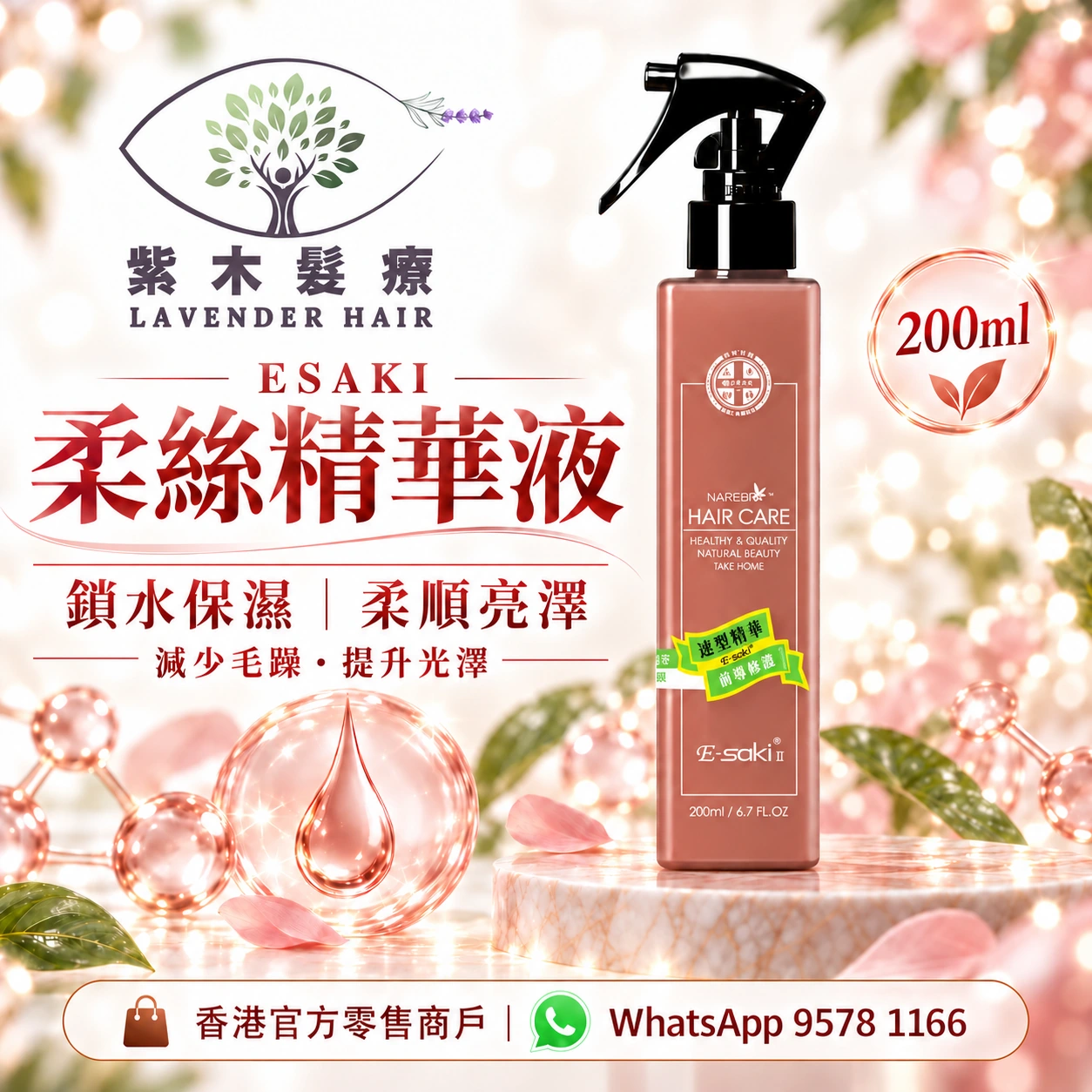
Silky Hair Serum focuses on moisture, softness and shine for hair strands. Compare options for your hair; conditioning is not hair growth or permanent repair of damage.
Explore Silky Hair Serum →Start with the essentials, then explore what they mean for your circumstances.
Smoother, bouncier or better-looking hair is different from new hair growth.
First assess the damage, tangling and areas of breakage, then discuss care and trimming. You do not need to make an all-or-nothing decision.